
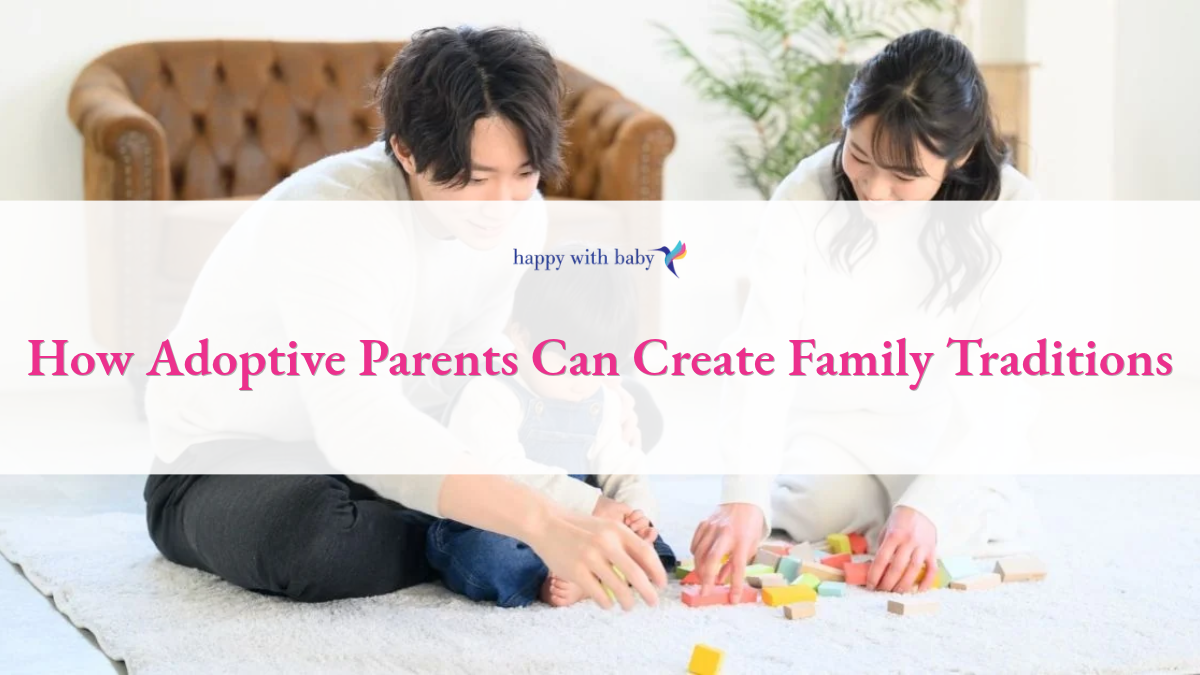
Family traditions often begin with the simplest moments. Saturday morning pancakes or a favorite bedtime story can become experiences that children look forward to sharing with their parents. Over time, these small rituals help shape their sense of home.
For adoptive families, traditions can carry special meaning. Exploring how adoptive parents can create family traditions offers opportunities to strengthen relationships while honoring each child's personal history.
Parents may feel pressure to make every celebration memorable, especially when they want their children to feel secure and loved. Yet building a strong family identity doesn't require picture-perfect holidays or elaborate plans. The most treasured memories often grow from experiences that feel natural to everyone involved.
Focus on Connection Rather Than Perfect Celebrations
It's easy to picture family traditions as cheerful gatherings where everyone participates enthusiastically. Real family life, however, includes exhausted parents and children who occasionally have little interest in the activities you've planned.
Some adoptive parents may feel additional pressure to create meaningful family experiences, particularly after the emotional ups and downs that can accompany adoption. Wanting your child to feel loved, secure, and connected is understandable, but that desire can sometimes turn even enjoyable occasions into another source of stress.
Instead of planning activities around what families supposedly should do, pay attention to when your household feels most relaxed.
Perhaps your child opens up while helping prepare dinner, or everyone enjoys lingering around the table after a meal. These interactions offer a starting point for traditions that fit your family's personality.
When parents release the pressure to create extraordinary experiences, they leave more room to appreciate the relationships developing right in front of them.
Honor Your Child's History While Building New Memories
Every adopted child brings a personal history into their family. Their cultural background and earlier relationships may influence which celebrations feel familiar or meaningful.
Some children have fond memories of traditions with birth relatives, while others may know little about their early experiences. Parents can acknowledge these differences without expecting children to explain their feelings.
Invite Your Child Into Family Decisions
Younger children might enjoy choosing a special birthday breakfast, while older children may appreciate having greater influence over holiday plans.
If your child expresses interest in a celebration from earlier in life, explore ways to incorporate it into your family's routines. For example, preparing a familiar cultural dish together could create opportunities to share something meaningful.
Avoid pressing for details when your child seems hesitant. Their personal history belongs to them, and they deserve control over what they share. Honoring earlier relationships also shows children that joining an adoptive family doesn't require leaving every part of their past behind.
Find Comfort in Small, Everyday Rituals
Parents often associate family traditions with birthdays or annual celebrations. Yet everyday routines can provide a comforting sense of familiarity, particularly during periods of change.
For busy households, these rituals offer opportunities to spend time together without adding complicated plans to an already crowded schedule.
Consider a few possibilities:
Weekend breakfast together: Enjoy a relaxed meal where everyone can share what's happening in their lives.
A familiar bedtime ritual: Read a favorite book or spend a few quiet minutes talking before sleep.
Monthly family choice nights: Take turns selecting an activity that everyone can enjoy.
A special family greeting: Create an affectionate greeting that respects everyone's comfort with physical touch.
Some weeks will inevitably feel hectic. A demanding work schedule or an unexpected responsibility might interrupt your plans.
Missing an occasional family movie night doesn't undo the enjoyment of previous gatherings. Returning to familiar activities when life settles down can feel more rewarding than maintaining a rigid schedule.
Give Children Space for Complicated Feelings
Birthdays and adoption-related anniversaries can stir unexpected emotions, particularly when children associate certain dates with earlier relationships.
A child might enjoy celebrating with their adoptive family while experiencing sadness about separation from birth relatives. These emotions can coexist without diminishing their affection for the people raising them.
Some families celebrate adoption anniversaries, while others prefer acknowledging them privately. Certain children may dislike the term "Gotcha Day" because it doesn't match how they experience their adoption stories.
Let Your Child Set the Tone
Ask how your child would like to recognize an upcoming milestone. They might request a favorite dinner or prefer spending the afternoon following their usual routine.
If they seem withdrawn, resist the temptation to make the occasion cheerful. Acknowledging their feelings without demanding an explanation can offer greater reassurance.
Parents may have their own emotional responses to these dates. Discussing those feelings privately with your partner helps prevent children from feeling responsible for managing adult expectations. A celebration can still hold meaning when the day looks different from what you originally envisioned.
Preserve Special Memories With Personal Keepsakes
As traditions develop, familiar objects can help children revisit experiences that matter to them. A scrapbook filled with family photographs or a collection of handwritten birthday notes might become something your child enjoys looking through as they grow older.
Personalized gifts and keepsakes can be meaningful ways to celebrate the relationships and memories that make your family unique. A memory box might hold photographs, letters, or other items your child chooses to preserve. Sometimes, something as simple as a handwritten note recalling a favorite family moment becomes the most treasured keepsake.
As you preserve memories related to adoption, be sure to respect your child's privacy and their preferences about which details they’d like to keep or share.
Make Traditions a Shared Parenting Experience
Planning family activities can sometimes create tension, especially when one parent ends up taking on most of the responsibilities and both partners are already feeling stretched thin. One parent may love organizing celebrations, while the other may simply not have the energy for another activity after a demanding workweek.
Neither preference means either parent is less committed to the family. Still, when expectations go unspoken, one partner may end up feeling unsupported.
Share Responsibilities Without Keeping Score
Talk about which traditions matter most, and divide the planning based on your interests and availability.
One parent might enjoy organizing birthday celebrations, while the other prefers coordinating relaxed evenings at home. Adoption-related milestones may also affect partners differently. One might feel excited about celebrating, while the other worries about their child's emotional response.
Making room for those conversations can prevent misunderstandings and help couples support each other through sensitive occasions. When both parents feel heard, family activities become easier to enjoy together.
Allow Your Traditions to Grow With Your Family
Children's interests change as they grow older, and the activities they once adored may eventually lose their appeal. When considering how adoptive parents can create meaningful family traditions, flexibility allows familiar rituals to evolve alongside your child's developing identity.
A weekly movie night might become an occasional dinner out, and a childhood birthday tradition might give way to something your teenager chooses. Invite your child to shape these changes and let go of activities they've outgrown.
Years from now, they may remember a special holiday or evenings around the dinner table sharing stories. In the end, it's not about creating perfect traditions or making every celebration memorable. It's about finding meaningful ways to connect, honor each person's story, and create a family where everyone feels loved and has room to be themselves.