
Your Baby’s First Playground Adventure: Tips for Parents
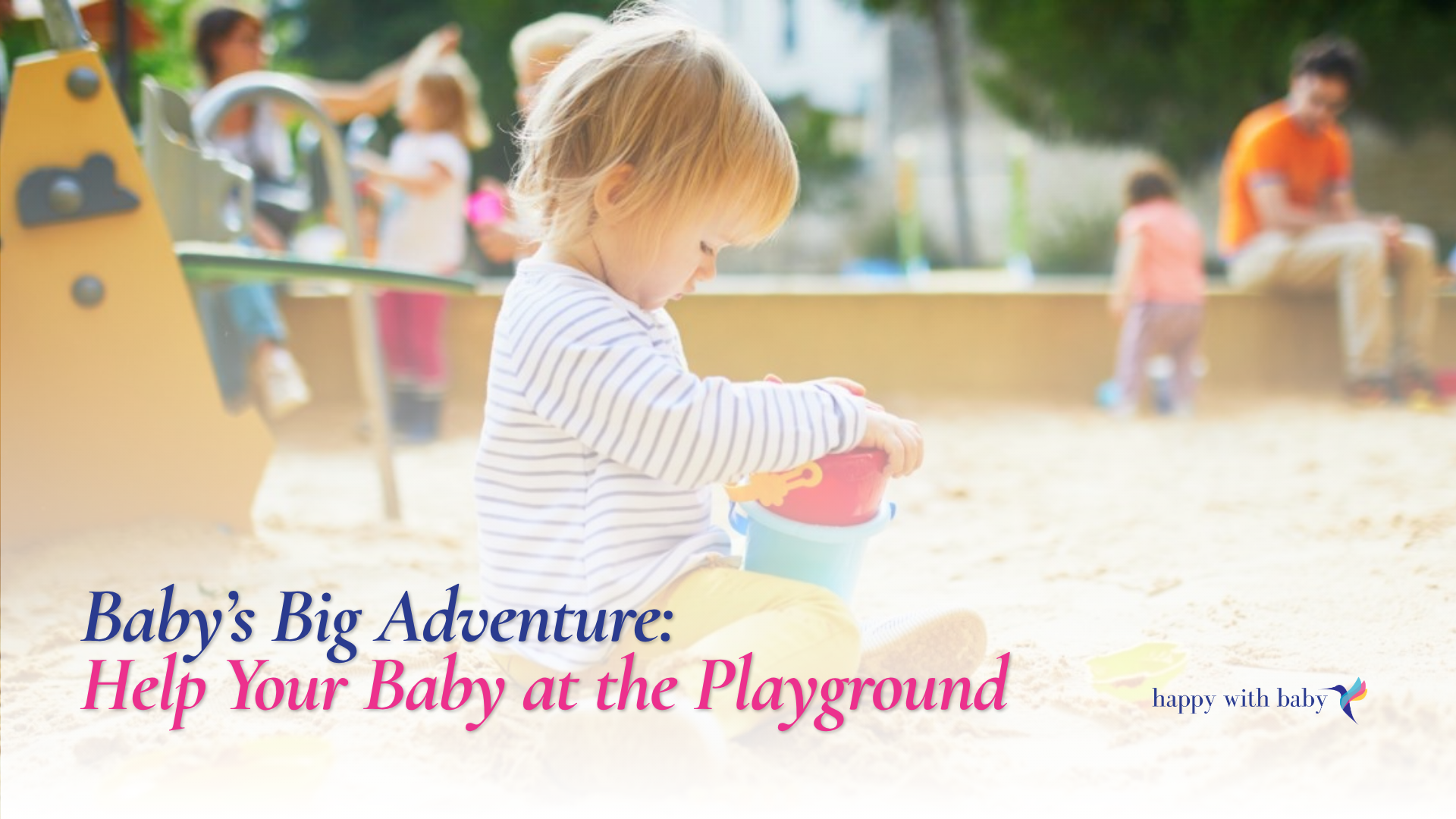
Taking your baby to the playground can feel surprisingly momentous, even when the outing lasts only 20 minutes. Suddenly, the neighborhood swings and slides look less like ordinary equipment and more like an obstacle course filled with exciting possibilities and questionable surfaces. You may wonder whether your baby feels ready, whether you packed enough supplies, or whether everyone else somehow received a playground parenting manual that you missed. The good news is that your baby doesn’t need a perfect playground experience, and neither do you.
Playground visits give babies opportunities to explore movement, sounds, textures, faces, and their growing independence in a new environment. These outings also give parents a reason to leave the familiar rhythm of home and share an experience that doesn’t revolve around feeding, laundry, naps, or another household task. You can follow your baby’s pace instead of measuring the outing against what older children do nearby. With patience and realistic expectations, the playground can become a welcoming place for connection and family fun. If you’re getting ready for your baby’s first playground visit, a few simple strategies can make the experience easier for both of you.
Start With What Your Baby Can Already Do
Your baby’s current mobility skills should guide the first playground adventures. A baby who sits independently may enjoy a supportive bucket swing, while a crawler may prefer exploring an open grassy area with close supervision. Babies who pull themselves upright can practice standing near safe, low play features while you stay within arm’s reach. You don’t need to rush toward equipment that requires skills your baby has not developed yet.
Watch how your child responds instead of assuming that every colorful feature will spark instant excitement. Some babies eagerly reach toward a swing, while others need several visits before unfamiliar movement feels comfortable. Your baby’s hesitation doesn’t mean you need to make the experience more exciting or convince them to participate. Give them time to observe because watching other children can offer plenty of stimulation on its own.
Choose the Playground With Your Baby in Mind
Not every playground works equally well for babies, so look at the space before settling in for a long visit. Search for age-appropriate equipment, shaded areas, comfortable seating, smooth walking paths, and enough room to move without dodging older children constantly. A separate toddler area can make exploration feel more manageable for babies and parents. Clean, well-maintained surroundings also make it easier to focus on your child rather than worrying about obvious hazards.
Families often value nearby play spaces because convenient recreation makes spontaneous outdoor time much easier to manage. Having a playground close to home can also make getting outside feel much more doable, especially during a season when even a simple outing can require planning. That’s one reason playgrounds can be such a valuable part of family-friendly neighborhoods and housing developments. Beyond giving children a convenient place to explore, neighborhood playgrounds can create casual opportunities for parents to meet and connect with one another. Those brief conversations may feel especially meaningful during a season of parenthood that can sometimes feel isolating.
Make the First Visits Short and Simple
Your first baby playground visit doesn’t need to fill an entire afternoon to count as a successful adventure. Babies can absorb an enormous amount of sensory information from movement, voices, sunshine, wind, equipment, and other children. Ten or fifteen enjoyable minutes may work better than staying until your baby becomes exhausted and miserable. Leaving while everyone still feels relatively good can make the next visit easier.
Try to visit when your baby has eaten, rested, and seems open to exploring. You cannot control every nap disruption or surprise diaper situation, so treat timing as a helpful strategy rather than another parenting rule. If the outing falls apart after five minutes, you can pack up and try again another day. Parenthood already brings enough pressure without turning a trip to the swings into a performance review.
Pack for Comfort Without Bringing the Whole House
Babies require supplies, but you don’t need to prepare for every imaginable disaster before walking to the playground. A small bag with familiar essentials can help you handle ordinary messes, hunger, weather changes, and minor disruptions. Think about the conditions at your specific playground and your baby’s routine when deciding what deserves precious bag space. A lighter load can also make the outing feel more approachable when you already have your hands full.
A practical playground checklist for babies might include the following items:
Diapers, wipes, and a portable changing pad
Water and whatever feeding supplies your baby typically needs
A sun hat, age-appropriate sun protection, and an extra layer
A small blanket for supervised sitting or crawling
One familiar toy or comfort item
You may also eventually develop a reliable playground bag that stays ready near the door. That small system can reduce the mental load of remembering supplies every time someone suggests getting outside. Share responsibility for restocking it with your partner when possible instead of letting one person silently manage every detail. Tiny systems like this can make family recreation feel more like recreation and less like another logistical project.
Let Your Baby Explore Through the Senses
A playground offers much more than slides and swings to a baby who has only recently started exploring the wider world. Let your child safely touch grass, watch leaves move, listen to children laugh, or feel a gentle breeze while you describe what happens around you. These ordinary experiences support baby sensory play outdoors without requiring complicated activities or expensive developmental toys. Your presence gives your baby a secure base while curiosity does the rest.
Furthermore, talk about what your baby sees and experiences using simple language throughout the visit. You might name a bird, describe the swing moving back and forth, or point out a dog walking nearby. Your baby may not understand every word, but your voice adds connection and language exposure to the experience. You also turn an ordinary neighborhood outing into shared time without putting pressure on yourself to constantly entertain.
Give yourself permission to approach these outings with curiosity rather than pressure. You don’t need elaborate activities, flawless preparation, or a baby who happily tries every piece of equipment. Show up, stay present, follow your child’s signals, and leave when your family has had enough. A simple approach can turn the playground into a place where your baby explores and your whole family finds a little more room to breathe.
Looking for more support as you adjust to life with a baby?Catherine O’Brien, LMFT, is the founder of Happy With Baby and supports parents and couples through the emotional and relationship changes that come with parenthood. Learn more about Catherine and Happy With Baby.